A Deep Dive Into Metal Foundries: Vital Information and Sector Trends
Steel shops play an essential role in the production industry, transforming basic materials into vital elements. The processes involved, from thawing to quality assurance, are complicated and call for precision. Recent developments are reshaping the industry, presenting automation and sustainability practices. Yet, obstacles persist, specifically relating to labor and product costs. Comprehending these elements is basic for grasping the current landscape and future direction of factories. What exists ahead for this fundamental sector?
Understanding the Metal Factory Refine
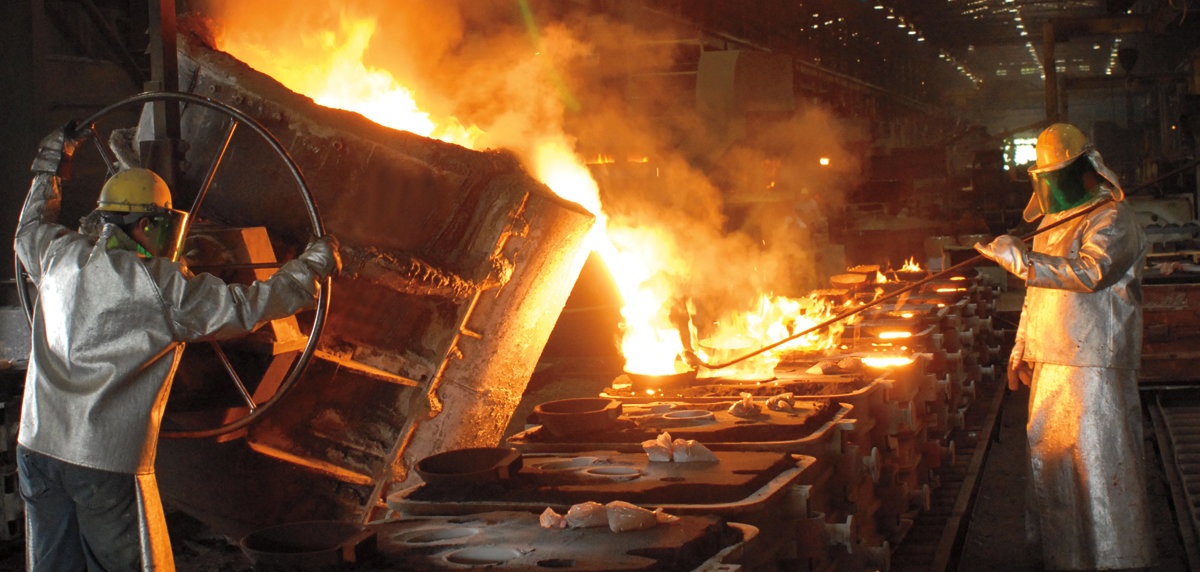
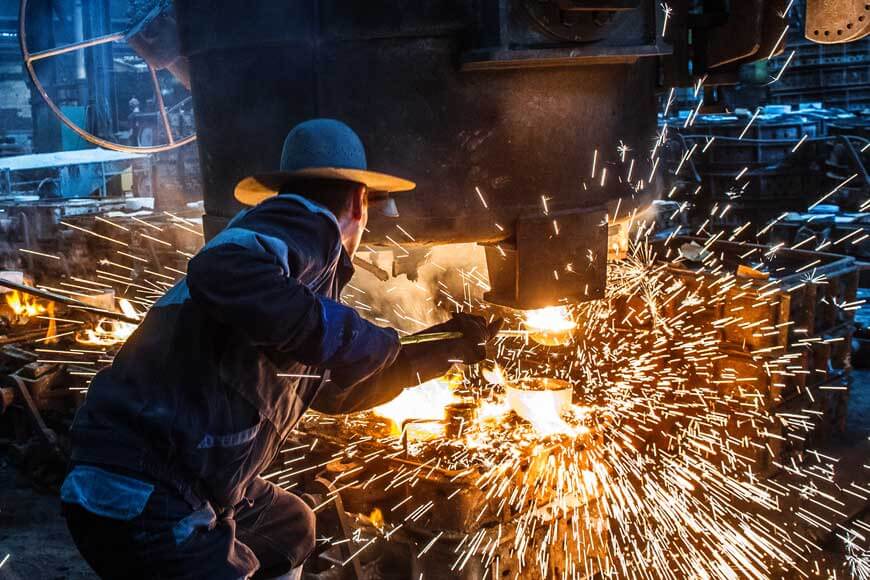
The metal shop process might appear facility, it revolves around a few essential phases that transform raw products right into finished steel items - Aluminum Foundry. Raw products such as metal ores, scrap steel, and alloys are sourced. These materials undertake melting in heating systems, reaching high temperatures to dissolve the metal. Once molten, the steel is poured into molds, where it cools and strengthens right into the preferred form
Adhering to solidification, the castings are gotten rid of from the mold and mildews, bring about more processing. This might include trimming excess material, surface area finishing, and warmth therapy to improve properties. Quality assurance examinations are necessary throughout the procedure to guarantee that the end products meet called for requirements and specifications.
Secret Technologies Sustaining Shop Developments
The innovations in technology have actually significantly influenced the metal shop sector, driving developments that boost effectiveness and product top quality. Trick technologies improving this industry consist of automation and robotics, which streamline procedures and minimize labor costs, permitting accuracy in mold and mildew making and steel pouring. In addition, the adoption of 3D printing is changing pattern production, allowing complex styles that typical approaches can not achieve. Simulation software program has actually emerged as an essential tool, enabling foundries to forecast and deal with prospective casting issues before production, thus conserving time and sources. The integration of IoT (Internet of Points) tools boosts tracking and information collection, helping with real-time adjustments to processes. Lastly, advancements in metallurgy, such as the advancement of new alloys, are increasing the capacities of factories to generate more powerful and lighter parts. Together, these technologies are transforming the landscape of metal foundries, driving them towards better innovation and competitiveness.
The Duty of Top Quality Control in Metal Spreading
Quality assurance plays a critical role in steel spreading, making certain that each part fulfills rigorous specs and performance standards. This process entails a selection of techniques, consisting of visual inspections, dimensional dimensions, and product testing - Aluminum Foundry. Foundries employ high quality control personnel who keep track of each phase of manufacturing, from raw product choice to the end product inspection
By utilizing sophisticated innovations such as non-destructive screening and computerized examination systems, metal factories can recognize flaws early in the production cycle. This aggressive strategy minimizes waste and reduces the likelihood of expensive rework. Additionally, adherence to market requirements, such as ISO certifications, reinforces a foundry's commitment to high quality, enhancing consumer self-confidence and satisfaction.
Inevitably, reliable quality assurance not only enhances the find more info integrity and longevity of actors elements yet likewise drives continual improvement within the factory, promoting a culture of excellence and technology in metal spreading processes.
Sustainability and Ecological Practices in Foundries
As metal foundries increasingly identify their impact on the environment, a dedication to sustainability has come to be vital in their functional techniques (Metal Foundry). Lots of foundries are applying energy-efficient innovations, such as electrical induction furnaces, which substantially reduce greenhouse gas emissions compared to traditional methods. The adoption of recycled products, particularly scrap steel, has additionally obtained traction, reducing waste and conserving all-natural resources
In addition, water administration practices are being improved to minimize usage and avoid contamination. Several foundries are investing in closed-loop systems that reuse water utilized in cooling and cleaning processes. Furthermore, dust and emissions control innovations are being updated to guarantee conformity with ecological regulations.
Future Trends and Obstacles in the Metal Factory Industry
Emerging patterns in the metal shop sector highlight a shift in the direction of advanced modern technologies and ingenious methods aimed at boosting efficiency and competitiveness. Automation, consisting of robotics and artificial knowledge, is progressively taken on to enhance operations and lower labor costs. Furthermore, the assimilation of Sector 4.0 modern technologies promotes real-time data analysis, enabling far better decision-making and anticipating upkeep.
Obstacles continue. The market encounters a proficient labor shortage, requiring investment in workforce training and development. Varying raw material costs and supply chain interruptions pose substantial hurdles. Environmental policies are becoming more stringent, pressing foundries to adopt lasting practices that can be expensive initially but helpful long-term.
On top of that, the need for high-performance and light-weight alloys is climbing, requiring foundries to innovate their materials and processes. Balancing these patterns with recurring challenges will be crucial for the future success of the metal shop market.
Often Asked Inquiries
What Is the Background of Metal Foundries?
How Do Foundries Determine Steel Alloy Compositions?
Foundries identify steel alloy compositions through a mix of empirical screening, computer modeling, and market requirements. They assess preferred residential properties, application requirements, and cost-effectiveness, ensuring the final alloy satisfies details efficiency standards for designated uses.
What Are one of the most Usual Factory Materials Used?
One of the most typical foundry materials consist of cast iron, aluminum, brass, bronze, and steel. These materials are preferred for their convenience, sturdiness, and stamina, making them suitable for various applications in production and construction.
Exactly How Do Factories Deal With Hazardous Waste Disposal?
Foundries manage hazardous waste disposal with strict adherence to environmental laws, using specialized containment systems, reusing campaigns, and partnerships with certified waste administration firms to ensure certified and risk-free disposal of poisonous materials.
What Job Opportunities Exist in the Metal Foundry Sector?
Steel foundries play an essential role in the manufacturing sector, changing raw products right into essential elements. The metal factory procedure may appear complex, it rotates around a couple of fundamental stages that change raw materials into completed steel products. The improvements in technology have significantly affected the steel foundry market, driving technologies that enhance performance and item top quality. The background of steel factories dates back to ancient worlds, where artisans initially melted metals to develop decorations and tools. The steel factory market offers diverse career possibilities, including roles in design, quality control, procedures monitoring, and environmental conformity.